Choosing the Right Digital Signage Software for Your Business
A deep look at how digital signage software can transform your brand and boost engagement

First Steps
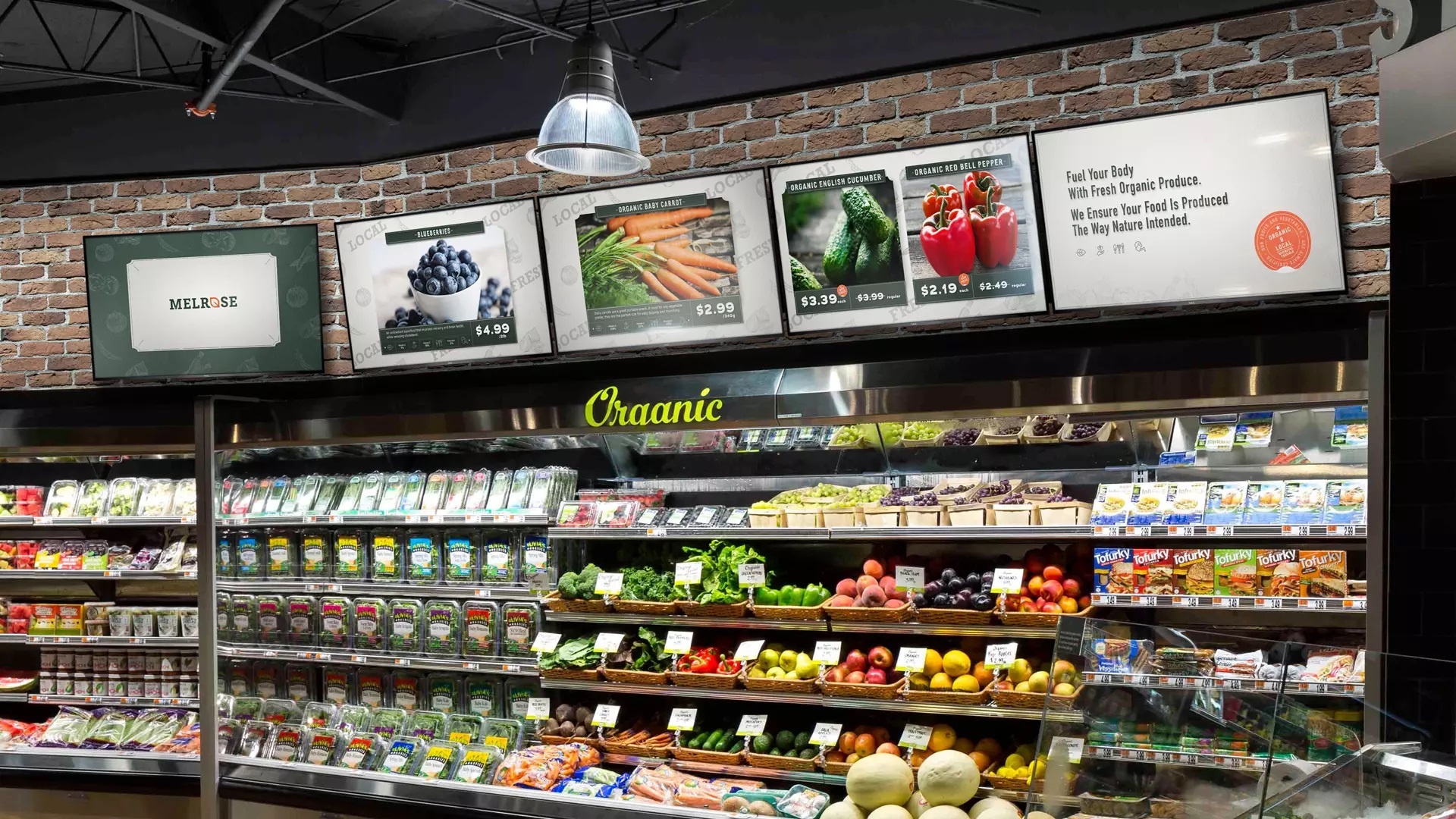
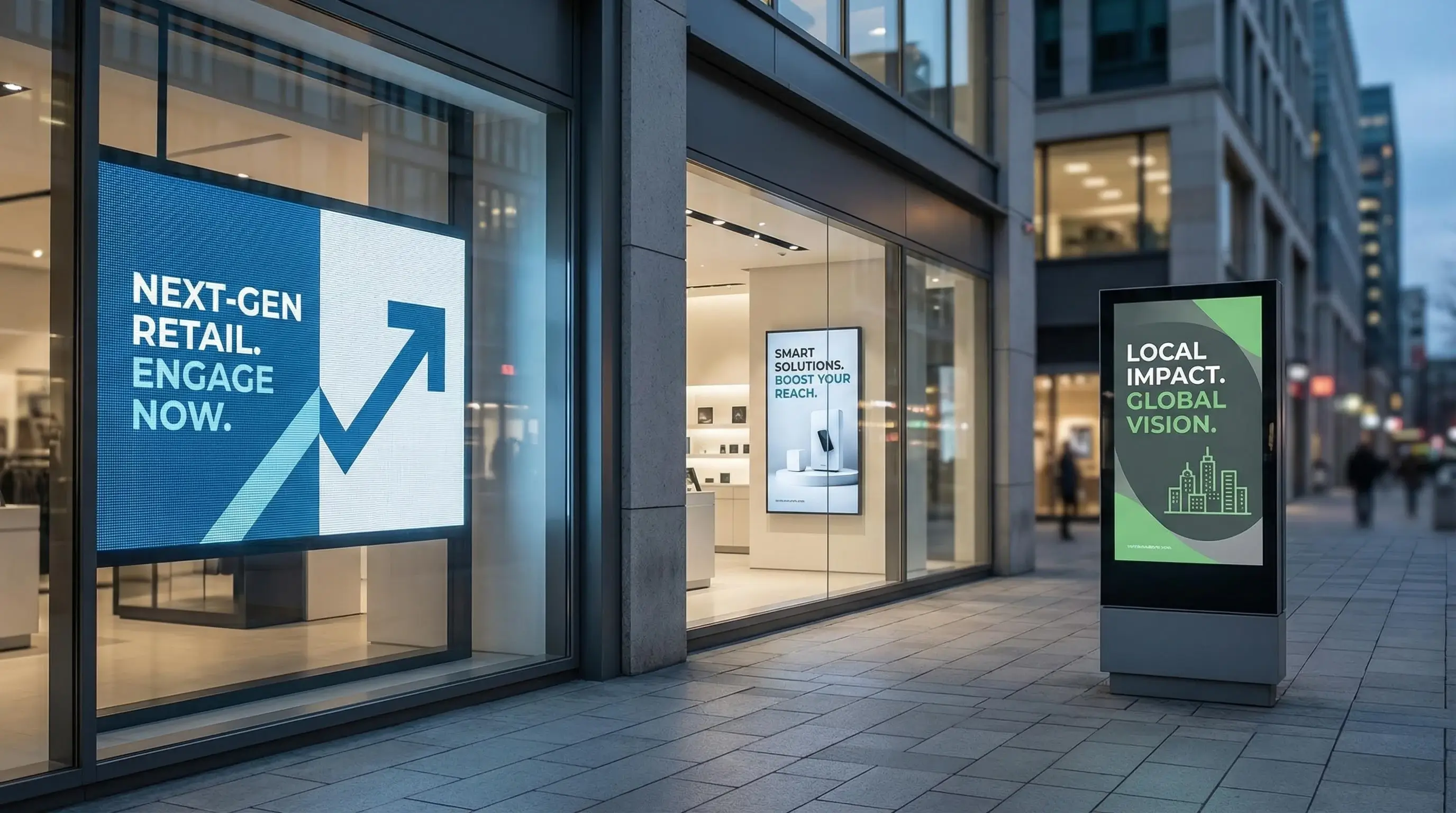
Digital signage software is reshaping how companies talk to customers in public spaces. It lets you replace static posters with dynamic screens that can be updated in seconds. Over 60 percent of retailers reported higher foot traffic after adopting this technology in 2023. The real power lies in the ability to schedule content target audiences and gather performance data. When you pick the right platform you unlock a new level of brand storytelling.
First consider the ease of use. A platform that requires a PhD in IT will slow down your marketing team. Look for drag and drop editors that let anyone create eye catching layouts. Cloud based access means you can work from any computer or tablet. Training time should be measured in hours not days.
Second think about integration capabilities. Your signage should talk to your existing CRM and POS systems. Real time data can trigger promotions on the screen when inventory drops low. APIs that follow open standards make this possible without custom code. Choose a solution that supports the most common data formats.
Reliability Matters
The third factor is reliability of the digital signage software itself. Uptime guarantees of ninety nine point nine percent are now the norm for leading vendors. Redundant servers and automatic failover keep your messages alive even during network hiccups. Support teams that respond within minutes reduce downtime risk. A solid SLA protects your investment.
How Content Management Drives Engagement
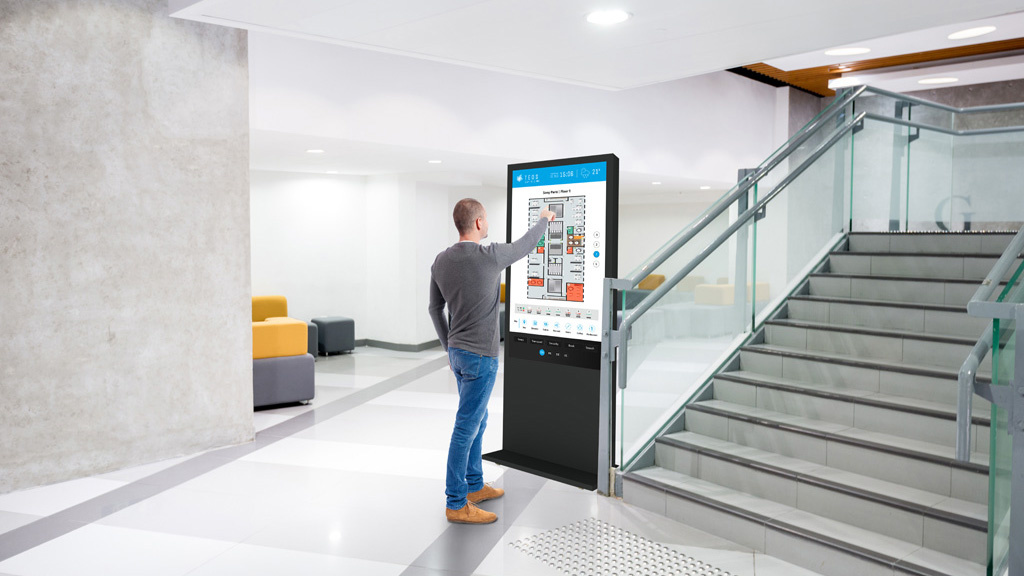
A robust content management system makes it easy to swap videos and images on the fly. Scheduling tools let you plan campaigns weeks ahead. Dynamic playlists can adapt based on time of day or weather conditions. Interactive displays add touch capabilities that let shoppers explore product details. Analytics dashboards reveal which messages generate the most clicks.
Remote Updates Keep Your Screens Fresh
Remote updates are a game changer for multi site deployments. Instead of sending technicians to each location you push new assets from a central console. Bandwidth throttling ensures that large files do not overwhelm your network. Version control lets you roll back changes if something goes wrong. This agility translates into faster promotion cycles and lower operating costs.
Choosing the Right Partner
When you finally select a digital signage software partner you should run a pilot in a high traffic area. Measure dwell time and sales lift before rolling out to the entire chain. Collect feedback from staff who operate the screens daily. Adjust templates based on real world performance. A thoughtful rollout maximizes ROI and builds confidence across the organization.
Understanding the Total Cost of Ownership
Many buyers focus only on the subscription fee and forget hidden expenses. Hardware warranties installation labor and network upgrades can add up quickly. Calculate the total cost of ownership over three years to compare vendors fairly. Some providers bundle screens and mounting hardware which can lower upfront spend. Transparent pricing models make budgeting simpler.
I remember the first time I saw a digital billboard in a small town square it was like watching a movie in the middle of a grocery aisle. The colors were so vivid that even the old man buying bread stopped to stare. That moment made me realize how powerful moving images can be in catching attention. It also reminded me that technology is only as good as the story you tell with it.
Future Trends Shaping Digital Signage
Artificial intelligence is starting to personalize content based on facial recognition. Edge computing reduces latency by processing data close to the screen. 5G connectivity will enable high resolution video streams even in remote locations. Sustainable displays made from recyclable materials are gaining traction as brands chase greener footprints. Staying aware of these trends helps you future proof your investment.
Real World Case Studies
A national coffee chain deployed 500 interactive displays across its locations using a cloud platform. They saw a twenty five percent lift in upsell of seasonal drinks within three months. The ability to push limited time offers instantly helped them react to competitor campaigns quickly. Advertising screens also showcased loyalty program reminders that drove repeat visits.
A university installed digital signage in campus halls to broadcast events and emergency alerts. Student attendance at events grew by thirty percent after moving from paper flyers to screens. The system reduced printing costs by over one hundred thousand dollars each year while improving message reach.
Security Considerations for Digital Displays
Security is a top priority when deploying networked screens. Hackers can target unsecured devices to display unwanted content or steal data. Choose a platform that offers encrypted communications and regular firmware patches. Role based access control ensures only authorized users can modify playlists. Network segmentation isolates signage traffic from core business systems. Monitoring tools alert you to suspicious activity before it spreads. Investing in strong security safeguards brand reputation and protects customer trust.
Two factor authentication adds an extra layer of protection for admin accounts. Password policies that require length and complexity reduce the risk of credential theft. Auditing logs provide a trail of who changed what and when. These practices create a resilient environment for your digital signage deployment.
Scalability Options for Growing Networks
As your business expands you need a solution that scales without a complete redesign. Cloud based management platforms let you add new screens with a few clicks. License models based on active displays keep costs predictable. Load balancing distributes content requests evenly across servers preventing bottlenecks. Multi tenant architecture supports franchises or partners while keeping data isolated. Planning for scalability from day one avoids costly migrations later.
Geographic redundancy ensures that a failure in one data center does not affect screens in another region. Automatic provisioning scripts can configure new devices on the fly. This flexibility empowers rapid rollouts in new markets and keeps your messaging consistent worldwide.
User Experience Design Tips
Designing for a public screen differs from designing for a personal device. Keep text large and legible from a distance. Use high contrast colors to improve readability in bright environments. Motion graphics should be brief to avoid overwhelming viewers. Incorporate brand colors and logos consistently to reinforce identity. Interactive displays need clear call to actions that guide users to the next step.
Testing designs in the actual location reveals lighting challenges and viewing angles. A B testing different layouts helps identify which visuals drive higher engagement. Remember that simplicity often wins over cluttered screens. The goal is to capture attention quickly and deliver a concise message.
Measuring Success with Analytics
Analytics turn raw impressions into actionable insights. Track metrics such as dwell time click through rate and conversion lift. Heat maps show which areas of the screen attract the most eyes. Correlate sales data with campaign periods to quantify impact. Dashboards provide real time visibility for marketers and executives alike.
Set clear KPIs before launching a campaign to evaluate performance objectively. Regularly review reports and adjust content strategy based on findings. Continuous optimization ensures your investment delivers maximum return over time.
Conclusion
Choosing the right platform is about matching features to your business goals. Simplicity integration reliability and cost all play a part. Test the software in real conditions and listen to the people who will use it daily. With the right digital signage software your brand can speak louder and clearer than ever before.
Frequently Asked Questions
How does content management improve screen performance?
A good content management system lets you schedule updates and track which assets get the most views. It also simplifies swapping out outdated graphics without needing a technician.
Can remote updates work across multiple locations?
Yes remote updates can be pushed from a single dashboard to screens in any city. This saves travel costs and ensures brand consistency everywhere.